

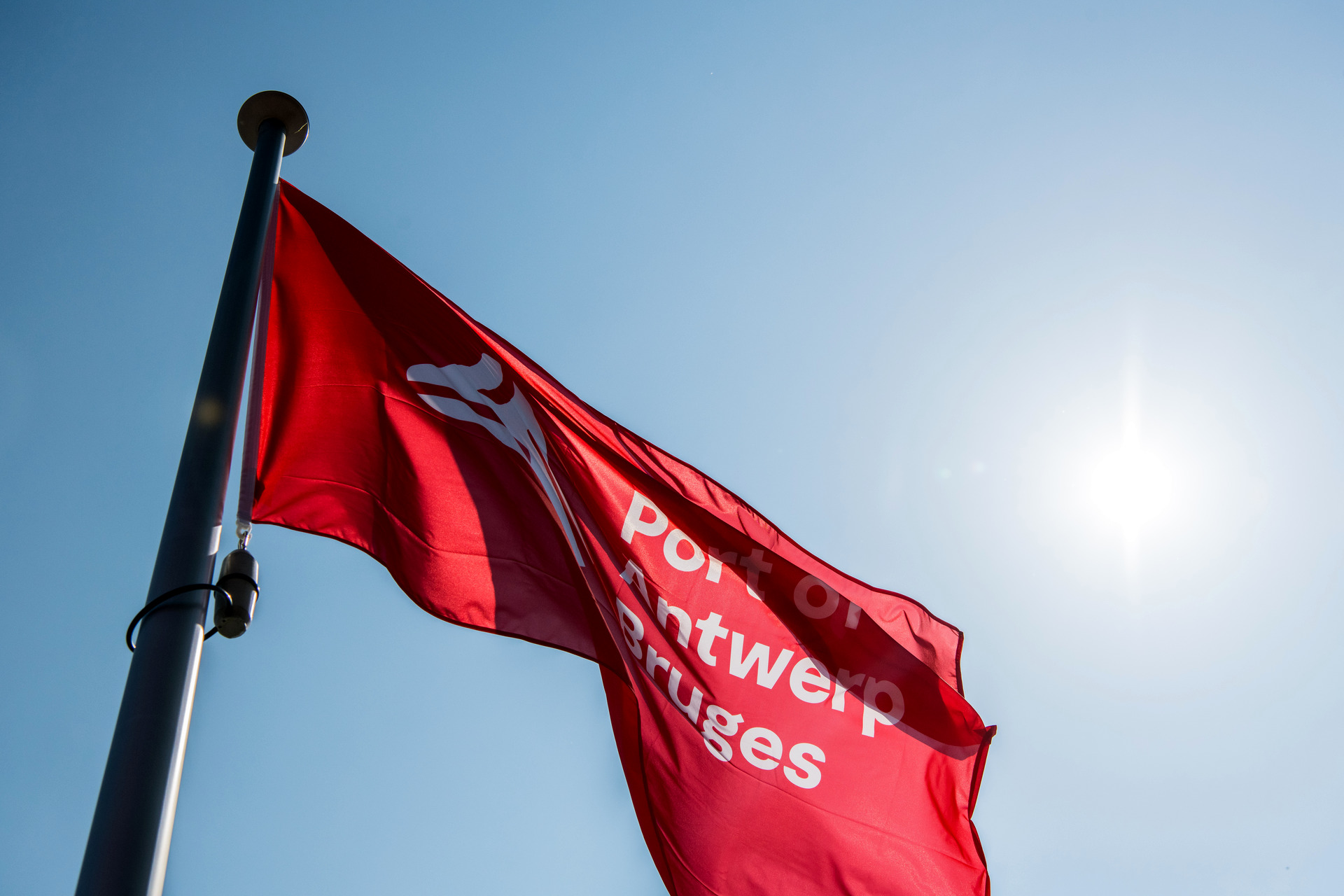
The two Belgian ports have become part of the initiative launched in 2022 by DFDS, North Sea Port, and the Port of Gothenburg.
The parties are working on making the 2,500-kilometre-long crossing as environmentally friendly as possible, including the launch of two ammonia-run ro-ros by 2030 (a part of DFDS's ambition to have six low- and near-zero-emission vessels in operation by the end of this decade).
E-trucks and rail will serve hinterland traffic, while berthed ships will have the possibility to draw power from the shore.
"DFDS has applied for funding for a total of four ammonia-fuelled vessels and, if the funding is granted, the project including electrification in the ports is expected to reduce 328,000t CO2e emissions per year corresponding to around 11% of DFDS' scope 1 GHG emissions compared to 2023," the Danish shipping & logistics company highlighted in a press release.
"The Port of Antwerp Bruges fully endorses the efforts of its customers and partners in prioritizing the greening of operations, both at sea and on land. DFDS, an important operator with a daily roll-on/roll-off freight service to Gothenburg, will contribute to our ambition towards climate-neutral transport in, to and through the port. As one of the largest bunker hubs worldwide, the Port of Antwerp-Bruges is committed to offering climate-neutral marine fuels and embraces DFDS' innovative approach of utilizing ammonia-powered ro-ro vessels on the corridor," Luc Arnouts, VP International Networks, the Port of Antwerp-Bruges, commented.
Patrik Benrick, Head of Strategic Development & Innovation at the Port of Gothenburg, also commented, "The Port of Gothenburg is already in the early stages of developing operating regulations for a safe and efficient handling and bunkering of ammonia-propelled vessels. We are also working on establishing an ammonia value chain, with the purpose of being able to facilitate everything needed for ammonia-propelled vessels calling and bunkering in the port on a regular basis in 2030 and beyond."
Jacob Andersen, Vice President, North Sea, DFDS, said, "This is a testament to our ambitions and commitment to play an active role in the green transition. We expect this to be the world's first green corridor for ro-ro cargo vessels running on near-zero emission ammonia fuel. This transition will not be possible without collaboration. We are working together with more than 50 partners to realise this project which will contribute to a more sustainable future for European shipping, and the ports are a key part of this."
"I am very happy to see our original initiative develop into a wider network and I'm committed to build further on our collaborative experience. The Belgian Swedish Green Corridor is an important milestone towards decarbonizing the logistics sector and delivering on European resilience. It goes beyond the typical high-level language and includes concrete pledges on which we, as a port together with our clients and stakeholders, want to deliver," summed up Daan Schalck, North Sea Port's CEO.
Photo: Port of Antwerp-Bruges