

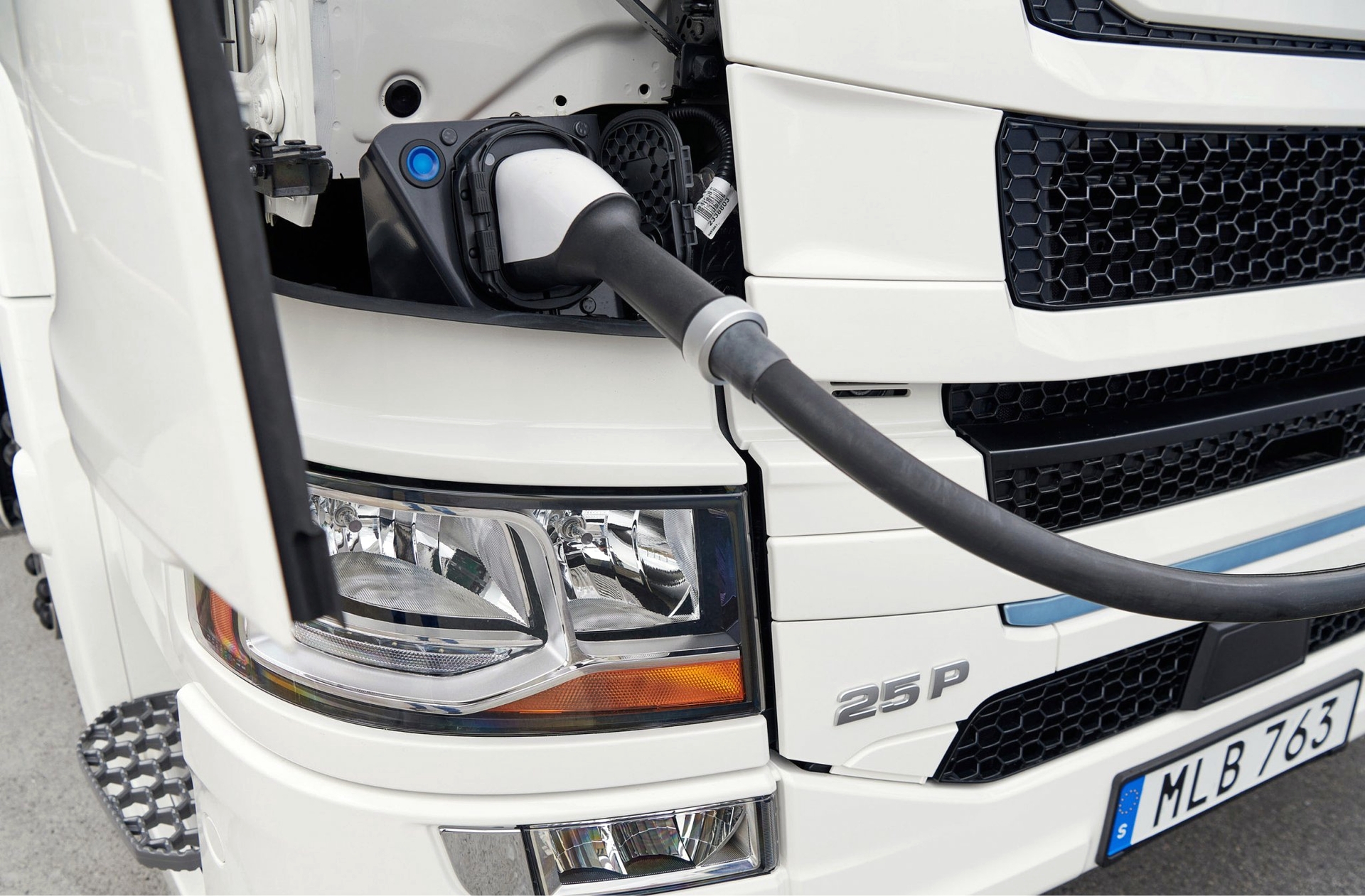
The Port of Gothenburg, Stena Line, the Volvo Group, and Scania have teamed up to speed up the transition to fossil-free fuels in the transport sector.
Specifically, the parties will target road transportation to and from the Swedish seaport that generates 55kt of carbon emissions per year.
The Gothenburg Port Authority's (GPA) aim is to cut the seaport's emissions by 70% by 2030. To that end, GPA will set up the necessary infrastructure to provide heavy-duty vehicles as well as vessels with fossil-free energy sources, such as electric power, hydrotreated vegetable oil, biogas, or hydrogen gas. A market study is being carried out to assess what will work best in the long-run.
"No single organisation or individual holds the key to meeting the challenges ahead of us. Collaboration is crucial and we are pleased to bring on board two of the world's largest truck manufacturers and the world's largest ferry company. With our collective expertise, breadth, and market presence we can make a real difference," Elvir Dzanic, Chief Executive, GPA, underlined.
According to GPA, "The transition to fossil-free transport to and from the port will need government support for companies that need to upgrade their fleets, for example designated grants, subsidised charging points, and fossil-free fuels."
Dzanic commented in this regard, "We have had a long-standing exchange of views and ideas with the government regarding the challenges we are facing, and our goals are the same. The transport sector needs to move away from its reliance on fossil fuels and with the Tranzero Initiative we are taking a monumental step forward."
Photo: Scania