

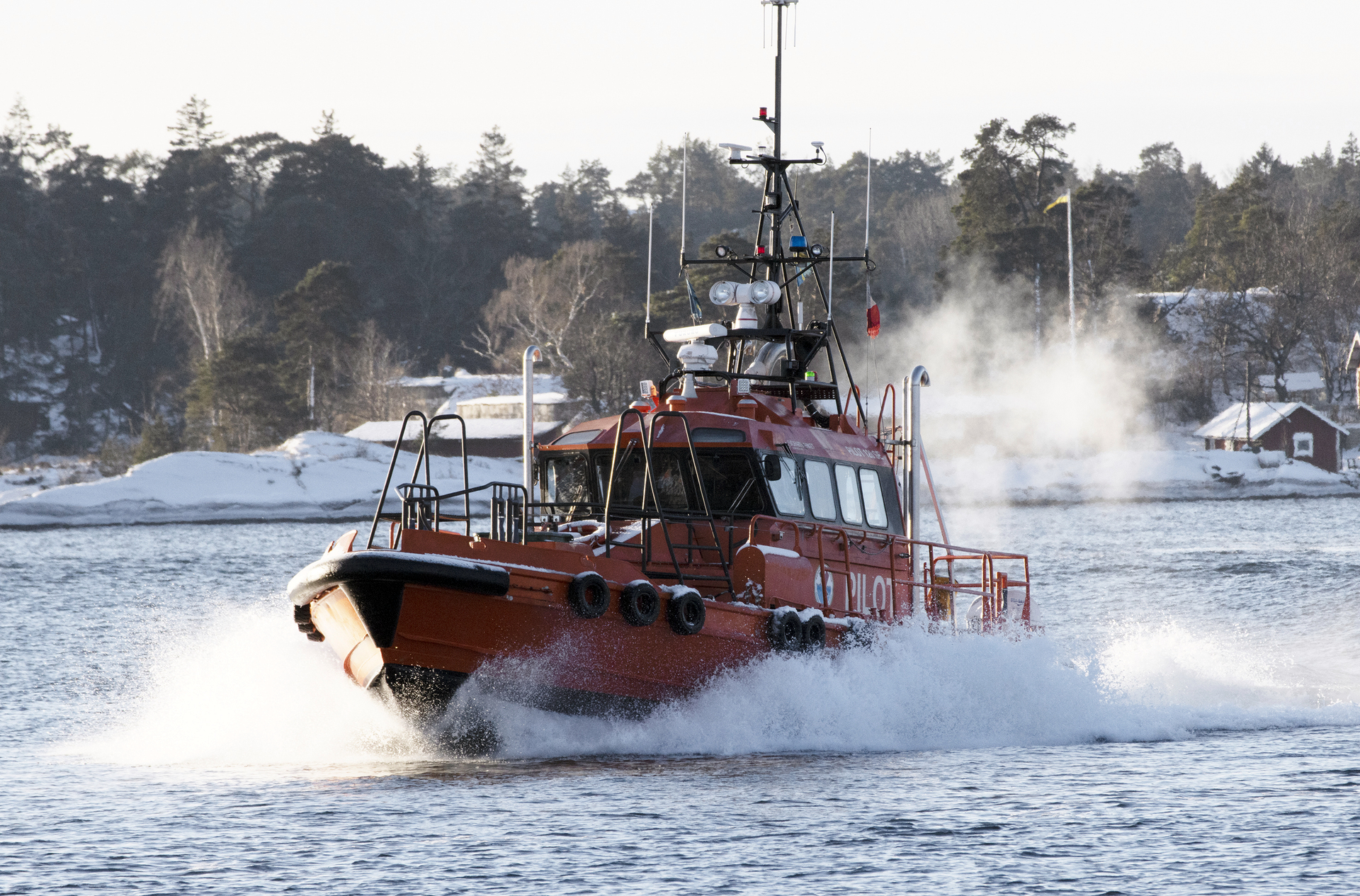
ScandiNAOS, the Chalmers University of Technology, and the Swedish Maritime Administration (SMA) have launched a project to develop dual-fuel kits for converting new and existing diesel engines (up to 1,000kW) to methanol operation.
The two-year-long project will see ScandiNAOS develop and implement a dual-fuel kit in a pilot boat owned and operated by SMA (the organisation, which intends to remove fossil fuels from its fleet by 2045, already operates a methanol-powered pilot boat equipped with a single-fuel compression ignited methanol engine which completed successful trials in December 2021, a conversion supported by the FASTWATER consortium).
The pilot boat is expected to be ready for field trials in Q3 2023, a process which will go on for 9-12 months, during which the dual-fuel kit will be tuned and optimised based on operational experience and from the results of the research and laboratory tests carried out by Chalmers.
"The adoption of dual-fuel kits will enable conversion of more ships and boats more quickly, since a conversion kit can be cost-efficiently applied to existing engines while maintaining the fuel flexibility to run on either methanol, MGO [marine gas oil] or HVO [hydrogenated vegetable oil]," the parties said in a press release.
The project has a budget of SEK8.6m (around €1.8m), half of which comes from the Swedish Strategic Vehicle Research and Innovation programme. The methanol producer Proman and the Methanol Institute provide industry funding.
"We are excited to get a chance to apply a dual-fuel kit on an SMA pilot boat and continue the great co-operation with the Swedish Maritime Administration to reduce the carbon footprint of its fleet," Bengt Ramne, Manager Director at ScandiNAOS, said.
Albert Hagander, Technical Manager, SMA, also commented, "The SMA is glad to be a part of the project that may open a new door towards fossil-free operation."
Dr Lucien Koopmans, Professor, Head of the Division of Energy Conversion and Propulsion Systems at the Chalmers University of Technology, highlighted, "A quick and powerful transition towards a decarbonised transport future starts with the conversion of the existing fleet."
Peter Schild, Managing Director Sustainability, Proman, said, "We are pleased to support this important initiative, which will enable the use of methanol as a cleaner alternative fuel for a broad range of vessel classes. This project means that methanol could be used to affordably reduce air pollution and greenhouse gas emissions across ports and inland waterways in the near term."
Greg Dolan, the Methanol Institute's CEO, also commented, "The Methanol Institute is delighted to be co-sponsoring this project which builds on the successful 2021 trials and will establish a practical process for the conversion to dual-fuel methanol operations safely and at a reasonable cost."
Photo: Swedish Maritime Administration