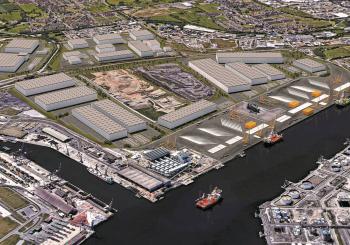
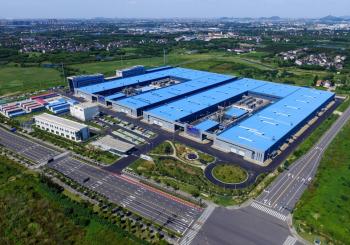
Once up and running in 2023, the steelworks-turned-blade production plant will manufacture 107 m-long turbine blades, part of GE's Haliade-X offshore wind turbines.
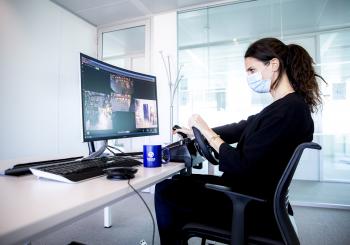
GEODIS has partnered with Phantom Auto, a company specialising in long-range remote operation software for unmanned vehicles, to develop a fork truck that can be controlled from thousands of miles away.
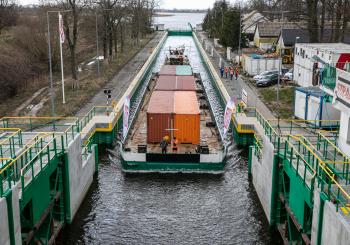
The Warsaw-based VAN cargo has organised, within the EU-backed EMMA Extension project, an inland waterway shipment of containerised freight from Gdańsk to Chełmno and back.
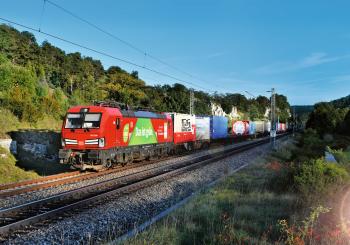
The German rail freight hauliers have built a coalition with over 230 forwarders to shift more cargo from roads to railways, with the aim of saving the environment some 50mt of CO2 emissions by 2030.
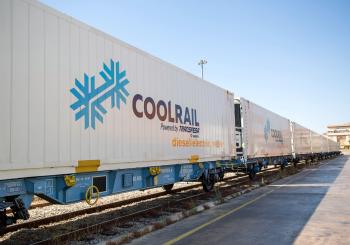
A reefer train carrying fresh fruits and vegetables was sent from Valencia to Copenhagen via Cologne to test a route that is expected to become a regular weekly connection.
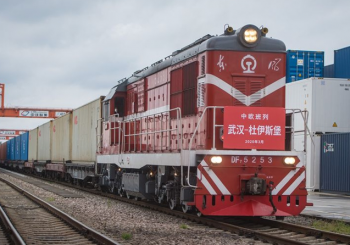
The train set - carrying electronics, auto parts, and epidemic-prevention supplies - will cross Duisburg on its way and arrive at the final destination after 21-22 days.
Shenzhen Senior Technology Material will erect a production line, its first outside China, at the Svista industrial estate, with supplies going by rail via the Eskilstuna Intermodal Terminal.