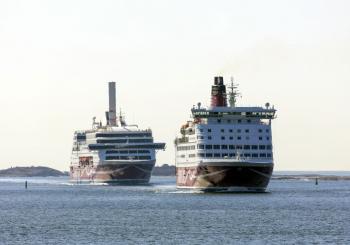
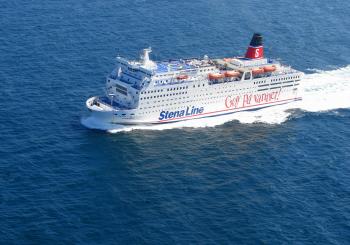
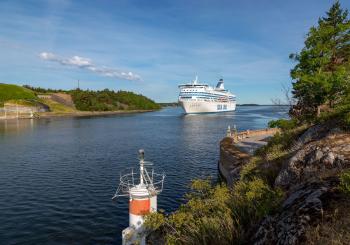
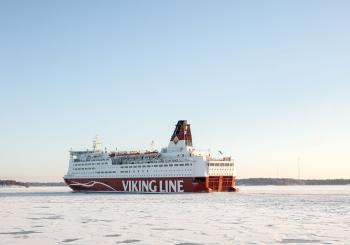
Because of the COVID-19 pandemic, the line in question was, first, halted on 14 March for the time being, but then, on 19 March, it was shut down permanently - after more than 40 years of operations.
Following the decision of the Finnish government to close the country borders from 19 March, the Estonian ferry line has suspended its operations between the two capitals until further notice.
A number of shipping lines from across the region has put in place restrictions, first and foremost regarding passenger traffic, however, some services have been suspended altogether to limit the spread of the virus.
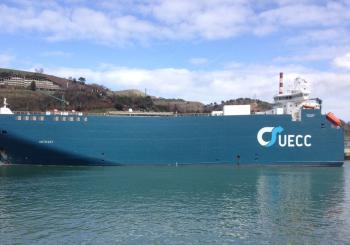
The shipping line has partnered with GoodFuels, a supplier of sustainable marine biofuel, to test the use of the company's Bio-Fuel Oil (MR1-100 or BFO) on the Autosky car carrier.
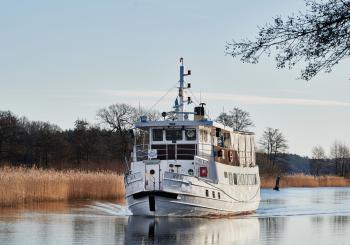
The engine manufacturer Scania and the inland ferry operator Blidösundsbolaget have converted the 1937-built passenger vessel for either joint diesel-electric or purely electric operations.
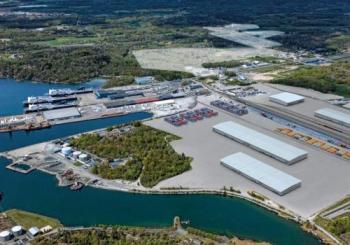
The Swedish seaport has received clearance from the regional environmental court, following which a brand-new ro-ro & ferry berth no. 3 will be erected, equipped with an adjustable ramp, to serve ships up to 230 m-long.
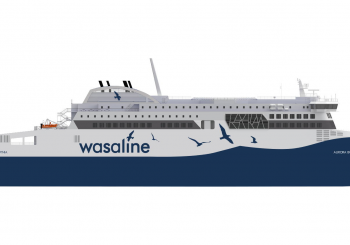
The Finnish-Swedish ferry line has subscribed to the Sustainable Actions for Innovative and Low-Impact Shipping (SAILS) Initiative for Good Practices in Maritime Transport for the Protection of the Marine and Coastal Environment.
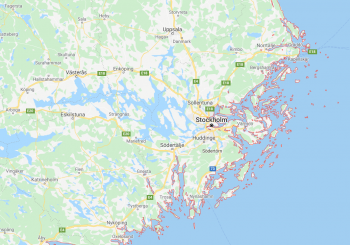
The two port authorities have joined forces to enable inland shipping via Lake Mälar between the May 2020-ready Stockholm Norvik Port and Mälarhamnar's harbours in Västerås and Köping.