Nestled in the southwestern corner of Finland, the Port of Turku offers one of the most efficient Baltic Sea routes and serves as one of the leading shipment ports in all of Scandinavia.
It is fair to say that global ports have been affected tremendously by the Russian war, with some major routes closing altogether, the resulting port congestion, and countless supply disruptions.
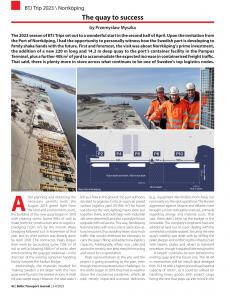
The 2023 season of BTJ Trips set out to a wonderful start in the second half of April. Upon the invitation from the Port of Norrköping, I had the opportunity to personally witness how the Swedish port is developing to firmly shake hands with the future.
Workforce fatigue is a topic that has been considered extensively in the context of the coronavirus pandemic; however, it remains an essential factor in keeping people safe and equipment and property protected as operations within the global supply chain and its working environment remain fraught.
This article discusses European regulations related to pollution prevention in the shipping industry, including the Ship-Source Pollution Directive (SSPD), the Ship Recycling Regulation (SRR), and the Environmental Liability Directive (ELD).
In shipping's constantly evolving decarbonization debate, the benefits of reducing the carbon footprint of ships have often been eclipsed by discussions about new fuels.
Methanol is fast emerging as a fuel that shipowners and operators are choosing to reduce pollutant emissions and set themselves on a path to carbon neutrality.
Diversity, equity, inclusion and belonging (DEIB) is not only ethically the right thing to do but also makes good commercial sense for maritime & shipping, an industry in urgent need of a wider talent pool.
Three days, five sessions, and multiple expert speakers who will dissect topical affairs for the port industry in the Baltic Sea region (BSR) - that's the upcoming (6-8 September) Baltic Ports Conference 2023 in a nutshell.