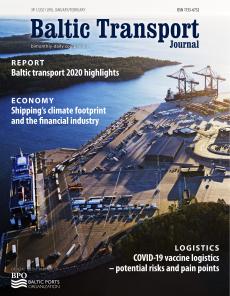
Apart from the elephant in the room - the corona pandemic that wiped much of the Baltic Sea region's passenger ferry traffic and almost all of its cruise itinerary, forcing many shipping companies to lay off staff and throwing at least one party, Birka Cruises, overboard - the past year has kept on sporting a trend so vividly noticed in the previous round-up of the most-important transport & logistics events, namely the push for all sorts of technological solutions to make the industry, both on- and offshore, greener as well as more up-to-date.
In their first Annual Disclosure Report 2020, the Signatories of the Poseidon Principles have publicised their ship finance portfolios' climate alignment scores for 2019.
Apart from the mental pressures of leaving their families for months at a time, seafarers open themselves up to all manner of risks associated with a career at sea every time they board a ship.
Providing electricity at berth, preferably from green sources, is a trend that's embraced by a growing number of seaports, particularly in the Baltic but also increasingly in other regions.
Each year around eight million tonnes of goods are handled at one of Sweden's northernmost seaports, out of which dry bulk accounted for 6.85mt last year.