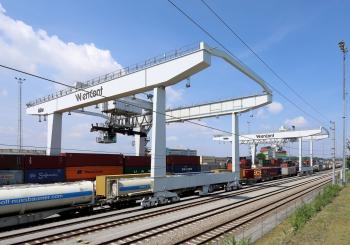
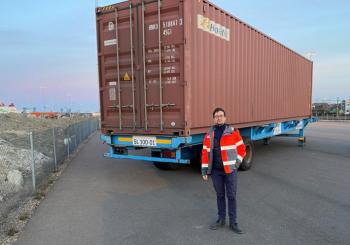
LG Cargo, a subsidiary of Lithuanian Railways, PKP CARGO, and CargoBeamer are trialling the carriage of trailers by rail between Kaldenkirchen and Šeštokai via Poland.
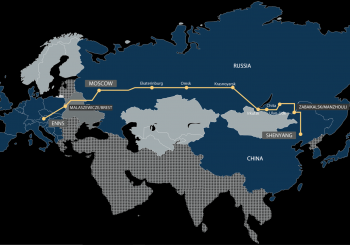
RZD Logistics, Sinotrans, and Far East Land Bridge (FELB) have launched a new train container service that runs between the Chinese Shenyang and the Austrian Enns via the border crossing in Zabaykalsk.
As a result of the Estonia parliament's passing of the Supplementary Budget Act, vessels entering the country's ports and roadsteads will be exempted from the payment of fairway dues - till 31 March 2021.
Tallink Latvija AS, part of Tallink Grupp, has notified the Latvian Employment Agency and the group's Latvian crew members and shore personnel that it is commencing a collective redundancy process involving around 550 Latvian employees.
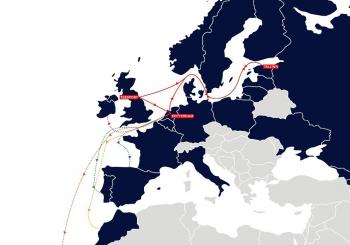
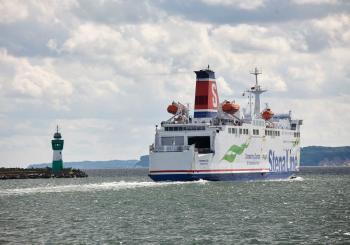
As a result of the coronavirus (COVID-19) pandemic, the ferry service in question, operated by Stena Line, initially suspended on 14 March, is going to be scratched altogether.
The combined service, launched in August 2019 in partnership with Modul and Global Ports, saw its first eastbound train dispatched from St. Petersburg on 28 March.