According to the Intergovernmental Science-Policy Platform on Biodiversity and Ecosystem Services, more than a third of the Earth's natural resources are at risk of destruction by 2050.
Although shipping has reduced carbon intensity per unit of transport work for almost two decades -initially by slowing vessel speeds and increasing ship sizes, and later through environmentally conscious operations and improved design - the total well-to-wake greenhouse gas (GHG) emissions present a different narrative.
With multiple regulatory pressures accelerating the transition away from conventional fuels, shipowners are increasingly being asked to commit to fuel choices that may not remain viable for the full operational life of their vessels.
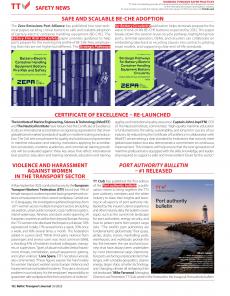
The TT Club's October 2025 very first Port Authority Bulletin highlights the need for seaports to leverage collaboration, digitalisation, and real-time data to strengthen safety, efficiency, and environmental performance to address growing challenges in the sector.
European shipyards continue to set the standard for technical excellence, building some of the most complex and specialised vessels on the planet, but they struggle to compete on efficiency at scale.
The final conference of the Blue Supply Chains (BSC) project, themed Decarbonising Port Operations & Supply Chains: Insights from the Blue Supply Chains Project, was held as part of the Baltic Ports for Climate Conference - organized by the Baltic Ports Organization (one of the project partners) and hosted by the Port of Gdynia in mid-November 2025.