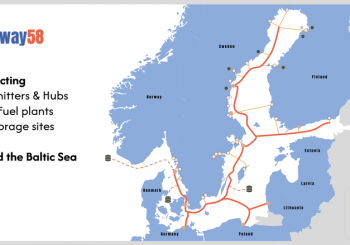
Progressive Energy and Pipe58 have signed a memorandum of understanding for the joint advancement of Highway58, a cross-border carbon capture, storage and utilisation network in the Baltic Sea region.
Pending a final investment decision, likely to be made in 2027, the Norwegian company Hydrogen Solution (HYDS) eyes the setup of a 5.0-10-megawatt electrolyser facility in the Port of Gothenburg.
Interreg Øresund-Kattegat-Skagerrak will provide project financing (up to €740 thousand) for the three-year €1.2 million project led by Ocean Valley, an innovation hub of Copenhagen Malmö Port (CMP).
The Port of Tallinn has secured co-financing of up to 30% of its €39.7 million Port of Tallinn Onshore Power Supply (PoTOPS) project, which will see two Old City Port cruise quays furnished with OPS stations.
The Oslo-based provider of digital solutions for ports and maritime actors extends its footprint to Finland by taking over a developer of port management and maritime information systems.
A consortium formed by RP Infra and Industry Service Partner will carry out the approx. €4.0-million-worth project at Berth No. 16 that houses Stena Line's ferry terminal.
The shipping arm of Idemitsu Kosan, a Japanese petroleum company, will see two of its new very large crude carriers (VLCC; to be built by Japan Marine United Corporation and Nihon Shipyard) fitted with rotor sails.
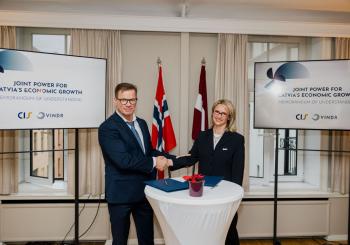
CIS Liepaja, an umbrella organisation gathering Norwegian and Latvian companies, and Vindr Latvia, a developer of onshore wind energy projects, have signed a memorandum of understanding to explore long-term energy supply for a new green hydrogen production facility in Liepāja.